A Recent Research Review Concluded That ______ Exercise Is Linked to Childrens Cognitive Skills

About school staff are already enlightened of the physical benefits of exercise, such equally strengthening of the eye and lungs, preventing weight gain, healthy basic, proficient posture and more. However, many are not aware of the potential brain-boosting benefits of physical action with regard to school performance. How does physical evolution bear on learning? What does the research say?
Many students are missing out on opportunities to accomplish this important physical activity. For case, years agone kindergarten was meant to teach children how to play, listen, follow rules and interact with peers. Now kindergarten teachers, and even preschools teachers, are forced to spend more than fourth dimension on structured, academic instruction. This frequently translates into more seatwork time and less movement and active gratuitous play time.
Physical education class and recess are normally the first things cut when more academic time is required for remediation in reading and math skills. At the terminate of the mean solar day, the children are spending also much time in a sedentary fashion. Research indicates that this sedentary lifestyle has a negative effect on cognitive development.
How does physical development touch learning?
What is the importance of gross motor skills? Gross motor skills are completed by using the larger muscles in the trunk to roll, sit upwardly, crawl, walk, run, jump, jump, hop, skip and more. Regular participation in these types of physical activities has been associated with improved academic performance and important school day functions, such every bit attention and memory. Even a baby's ability to sit down up unsupported has a profound outcome on their ability to acquire most objects (Woods, 2013).
I of the greatest brain gains of exercise is the ability for physical activity to amend bodily encephalon function by helping nerve cells to multiply, creating more connections for learning (Cotman, 2002; Ferris, 2007). Enquiry has shown that an increase in physical activeness has a significant positive effect on cognition, specially for early elementary and middle school students (Sibley, 2002). As an added bonus, being physically fit as a child may brand you smarter for longer equally you grow old. (Deary, 2006).
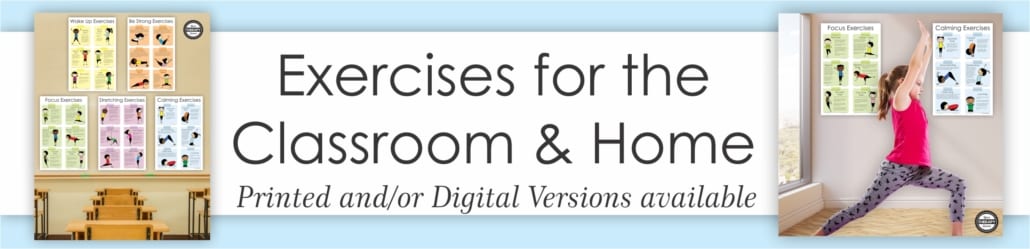
Benefits of Gross Motor Skills and Physical Activity
Recent research indicates that regular participation in physical activity may ameliorate academic performance. Schools that have added physical activity into their curriculum showed a 6% increase in student'due south standardized test scores when compared to peers who had inactive lessons (Donnelly, 2011). One comprehensive research review included 59 studies, indicated a pregnant and positive effect of physical activeness on children's achievement and cognitive outcomes, with aerobic exercise having the greatest result (Fedewa & Ahn, 2011). Ninety minutes per week of cardiorespiratory fitness has been associated with improvements in the cognitive control of working retention in preadolescent children. Children who participated in 90 minutes/week of moderate to vigorous concrete activeness during an subsequently school program displayed improvements in working memory (Kamijo, 2011). Physically active lessons including concrete activity breaks take been shown to reduce time-off-chore (xx.five%) and improve reading, math, spelling and blended scores (Kibbe, 2011). In some other study, children who participated in physically active lessons had significantly greater gains in mathematics speed test, general mathematics, and spelling scores although no changes were seen in reading scores (Marijke J., 2016).
Physical education classes and recess offering opportunities for students to increase concrete activity throughout the schoolhouse day. Although, at times children are sedentary even during these periods. Research indicated that children who participate in physical activeness during physical educational activity lessons may facilitate firsthand and delayed retention (Pesce, 2009). Many studies show that the more vigorous the physical activity is the larger the furnishings on bookish performance (Carlson, 2008; Castelli, 2011).
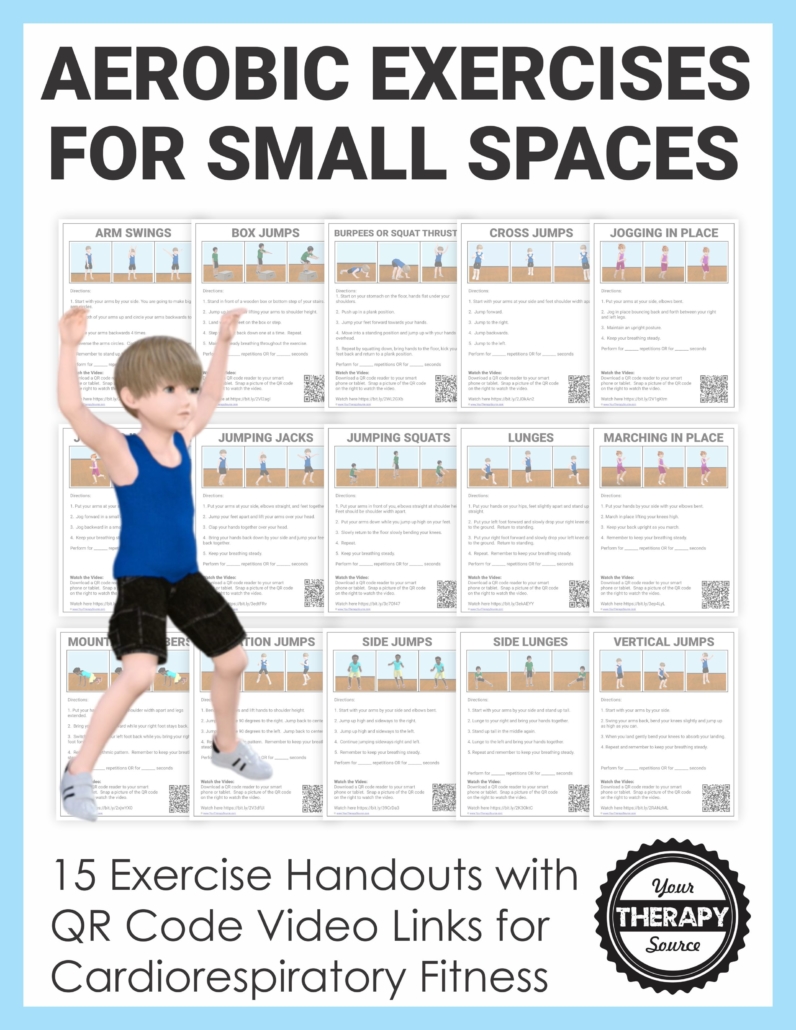
Even acute bouts of physical activeness have been shown to better cognition. One study revealed that preadolescent children who completed 20 minutes of treadmill training at a moderate pace responded to test questions on reading, spelling, and arithmetic with greater accuracy and had improved reading comprehension compared to children who had been sitting. In addition, the children completed learning tasks faster and more accurately were more probable to read above their class level following the physical activity (Hillman, 2009). Perchance try some of these 10 easy, physically agile ways to get the brain ready for testing.

How practise gross motor skills/physical activity bear on concentration?
Teachers know all besides well how much effort is spent on trying to go and maintain students' attention. Teachers try frequent questioning, moving almost the room, changing tone of voice and many more techniques. An alternative method for teachers to increase attention, concentration and on-task behavior may exist to incorporate bouts of concrete action throughout the school day. Inquiry has shown that some children who participated in an in-form concrete activity plan improved their on-job behaviors past 20 percent (Mahar, 2006). Additional inquiry regarding physical activity and school performance revealed that physical action may improve concentration (Taras, 2005). Agile lessons that crave more than coordinated gross motor skills such as balancing, reaction time, etc. were associated with better concentration on bookish tasks (Budde, 2008).
Suggestions to increase gross motor skills/physical action during the school 24-hour interval
At that place are many ways to comprise more physical activity and move breaks into a school day. I of the easiest ways to increase concrete activity fourth dimension is to add together physical education classes and recess. However, this can be the well-nigh difficult to attain within a school day since so much time is already devoted to structured learning. If additional physical education and recess time is not available, piece of work on incorporating physical movement throughout the school day with brain breaks. During transitions from one subject matter to some other, perform short bouts of exercises such as jumping in place, dancing to music or jumping jacks. Help teachers develop multisensory lessons that incorporate movement with academics. Not only volition the multisensory activities increase move time, simply they may also assist kinesthetic learners to ameliorate academically. Past teaming up with members of the school and community, physical and occupational therapists can help make active changes to children's patterns of physical fitness, health and cognitive office!
References:
Active Living Research (2015). Active Education: Growing Evidence on Physical Activity and Academic Performance. Retrieved from the web on viii/15/16 at http://activelivingresearch.org/sites/default/files/ALR_Brief_ActiveEducation_Jan2015.pdf
Budde H, Voelcker-Rehage C, Pietrabyk-Kendziorra Due south, Ribeiro P, Tidow G. (2008) Astute coordinative exercise improves attentional performance in adolescents. Neurosci Lett. 441(2):219–223.
Carlson SA, Fulton JE, Lee SM, et al. (2008) Physical educational activity and bookish accomplishment in uncomplicated schoolhouse: Data from early on childhood longitudinal study. Am J Public Health. 98(four):721-727. doi:10.2105/AJPH.2007.117176.
Castelli DM, Hillman CH, Hirsch J, Hirsch A, Drollette East. (2011) FIT Kids: time in target middle zone and cognitive functioning. Prev Med. 52(Suppl 1):S55-S59
Cotman, C., & Engesser-Cesar, C. (2002). Practice enhances and protects brain role. Practise and Sport Science Review, thirty(two), 75-79.
Deary, I., Whalley, L., et al. (2006). Physical fitness and lifetime cognitive change. Neurology, 67, 1195-1200.
Donnelly JE, Lambourne Thousand. (2011) Classroom-based physical activity, noesis, and academic achievement. Prev Med. 52 (Suppl ane):S36-S42.
Fedewa AL & Ahn S. (2011) The effects of physical activity and physical fettle on children'due south achievement and cognitive outcomes: a meta-assay.
Res Q Exerc Sport. 82(three):521-535.
Ferris, 50., Williams, J., & Shen, C. (2007). The result of acute exercise on serum brain-derived neurotrophic cistron levels and cognitive part. Medical Scientific discipline of Sports and Practice, 39(4), 728-734.
Hillman CH, Pontifex MB, Raine LB, Castelli DM, Hall EE, Kramer AF. (2009). The result of astute treadmill walking on cognitive control and academic achievement in preadolescent children. Neuroscience. 159(iii):1044-1054. doi:10.1016/j.neuroscience.2009.01.057.
Kamijo K, Pontifex MB, O'Leary KC, et al. (2011). The effects of an afterschool concrete activeness program on working memory in preadolescent children. Dev Sci. xiv(5):1046-1058. doi:x.1111/j.1467-7687.2011.01054.x
Kibbe Dl, Hackett J, Hurley M, et al. (2011) 10 years of TAKE 10!: integrating concrete activity with academic concepts in elementary schoolhouse classrooms. Prev Med.52(Suppl ane):S43-S50.
Mahar, M., Murphy, Due south., Rowe, D., et al. (2006). Furnishings of a classroom-based plan on physical activity and on-task behavior. Medical Science of Sports and Practise, 38(12), 2086-2094.
Marijke J. et al (2016). Physically Agile Math and Language Lessons Improve Academic Achievement: A Cluster Randomized Controlled Trial. Pediatrics, Mar 24;137(iii):e20152743. Epub 2016 February 24.
Pesce et al (2009) Physical activity and mental operation in preadolescents: effects of acute practice on gratis-recall memory. Ment Health Phys Human action. ii(1):16–22.
Sibley, B., & Etnier, J. (2002). The effects of physical action on cognition in children: A meta anaylsis. Medical Scientific discipline of Sports and Exercise, 4(v), 214.
Taras, H. (2005). Physical activity and educatee performance at school. Journal of School Health, 75(6), 214-218.
Woods RJ & Wilcox T. (2013). Posture support improves object individuation in infants. Dev Psychol. Aug;49(8):1413-24. doi: 10.1037/a0030344. Epub 2012 Oct eight.

cristobalknewhervel61.blogspot.com
Source: https://www.yourtherapysource.com/blog1/2020/04/26/gross-motor-skills-affect-academics/
0 Response to "A Recent Research Review Concluded That ______ Exercise Is Linked to Childrens Cognitive Skills"
Post a Comment